The Youth Drone Technology Proficiency Test examines a candidate's grasp of drone fundamentals, procedural thinking, programming languages and basic flight operation. It is aimed at young people — primarily school and university students, though it is open to those already working in the field.
The test has three bands and five levels. Level 1 may be entered directly; level 2 and above must be taken in sequence. It provides evidence of drone competence for school and university applications, placements and further study.
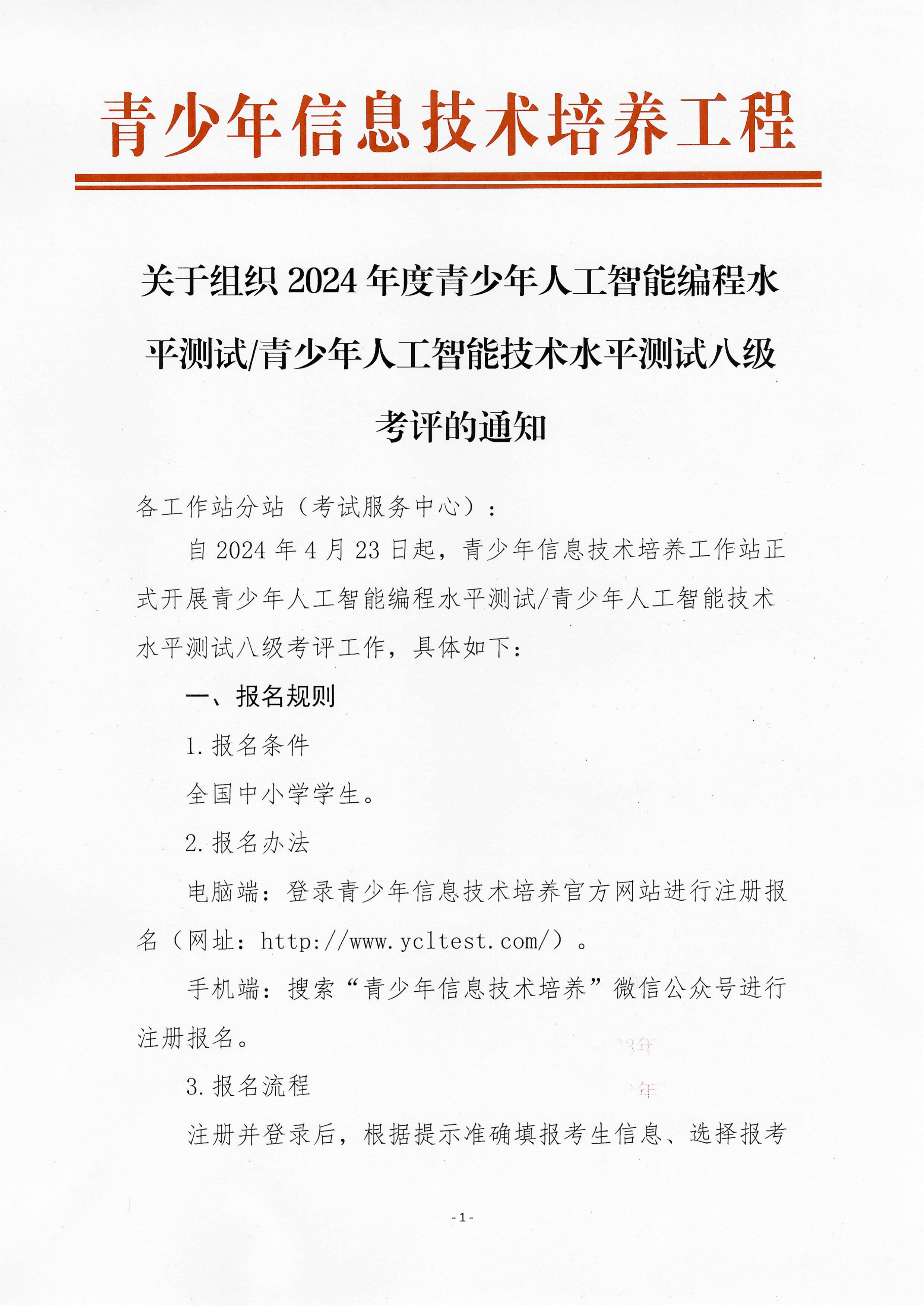
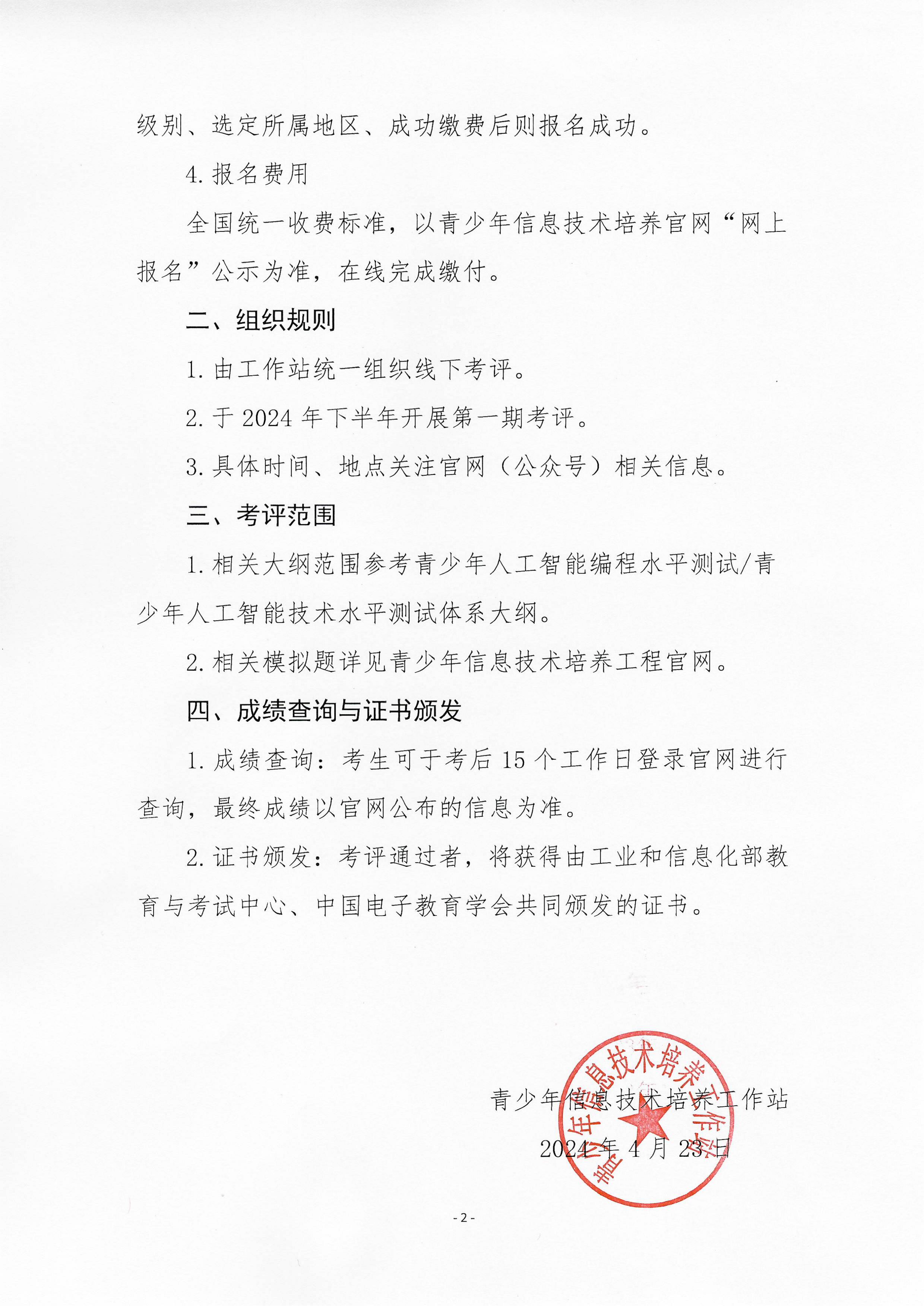
1. Certificates are issued by
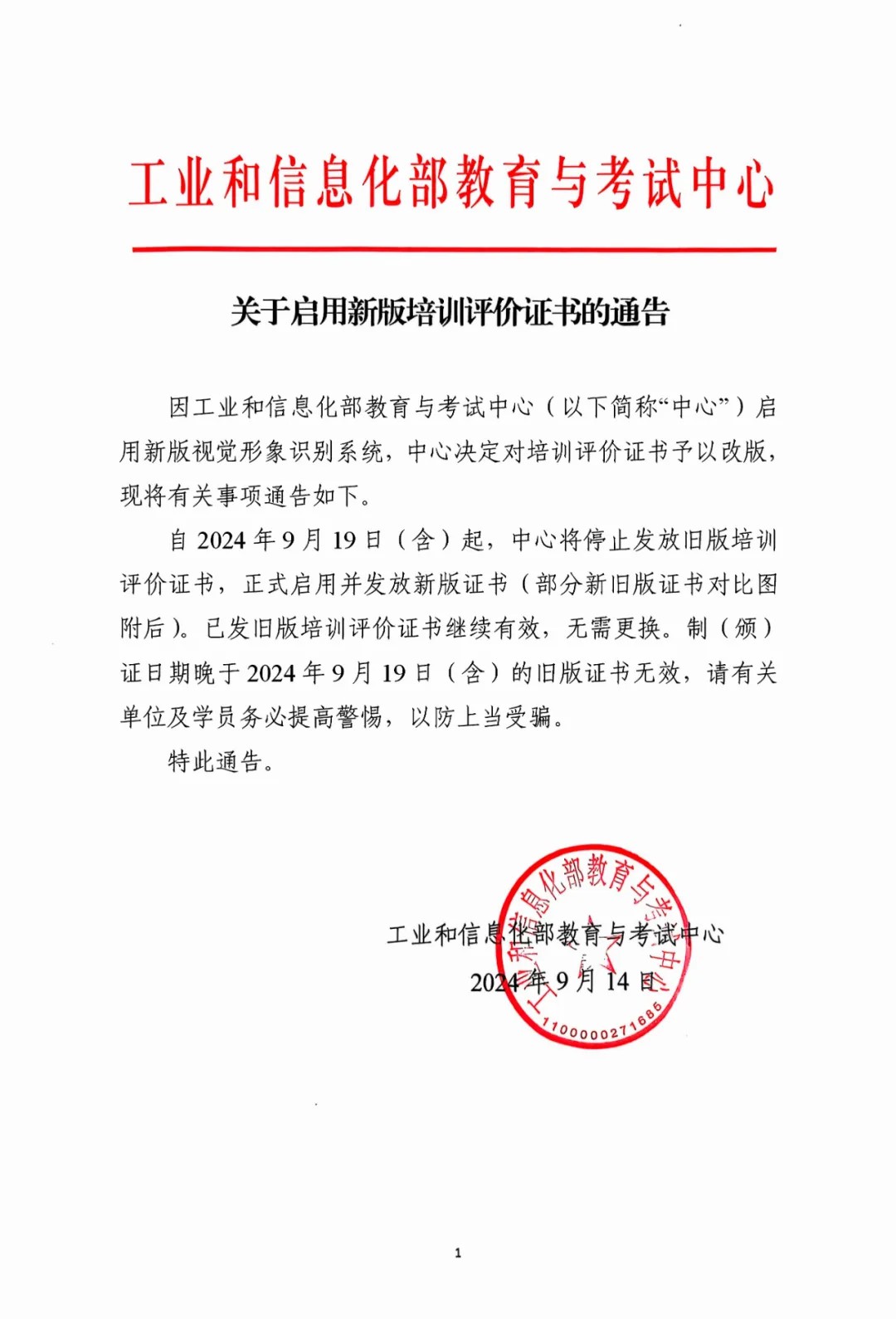
(a) MIIT Education and Examination Center. A public institution established with the approval of the Central Institutional Organization Commission Office, responsible under the Ministry of Industry and Information Technology for professional training and the associated qualifying examinations across industry, telecommunications and information technology.
(b) China Electronics Education Society. Founded in October 1994 under the Ministry of Education and registered with the Ministry of Civil Affairs, a national, academic, not-for-profit body whose secretariat is based at Xidian University.
2. Question bank
Developed by the Youth Education Branch of the China Electronics Education Society. The team brings together academicians, professors and subject leads in drones, robotics and computing, senior school teachers, and chief judges from the associated competitions, so that the questions are professionally sound and impartial.
3. Levels
Five levels. Level 1 may be entered directly; level 2 and above must be taken in sequence.
4. Examination dates
National sittings: 22–23 March, 14–15 June, 13–14 September, 6–7 December. Additional sittings run in the January, February, July and August holidays, with dates and locations announced a month beforehand. Regional branches also arrange local sittings as required.
5. What the test looks for
The test covers the knowledge and the skills a drone operator needs, weighted towards applying theory in practice. Every element is assessed at one of three depths — aware of it, understands it, has command of it — and judged partly through what the candidate actually does with the aircraft.
Knowledge: drone fundamentals; flight control by radio and by program; the sensors a drone carries; block programming covering flight modules, basic logic, mathematics and variables; code-level programming covering data abstraction and algorithm design; and applying knowledge across subjects.
Thinking and communication: organising one's thinking quickly; using flowcharts in algorithm design; applying computational thinking in other subjects; judging whether information is sound and complete; working across disciplines; speaking clearly and precisely while controlling a flight; and adapting to conditions on the day.
Technique: understanding flight-control and propulsion systems; knowing what each component does, and being able to maintain and repair the aircraft; the aerodynamics of flight; flying competently enough to complete a demanding controlled flight on request; writing program commands to drive a specified flight; and drawing a flowchart and programming from it to complete a combined flight task.
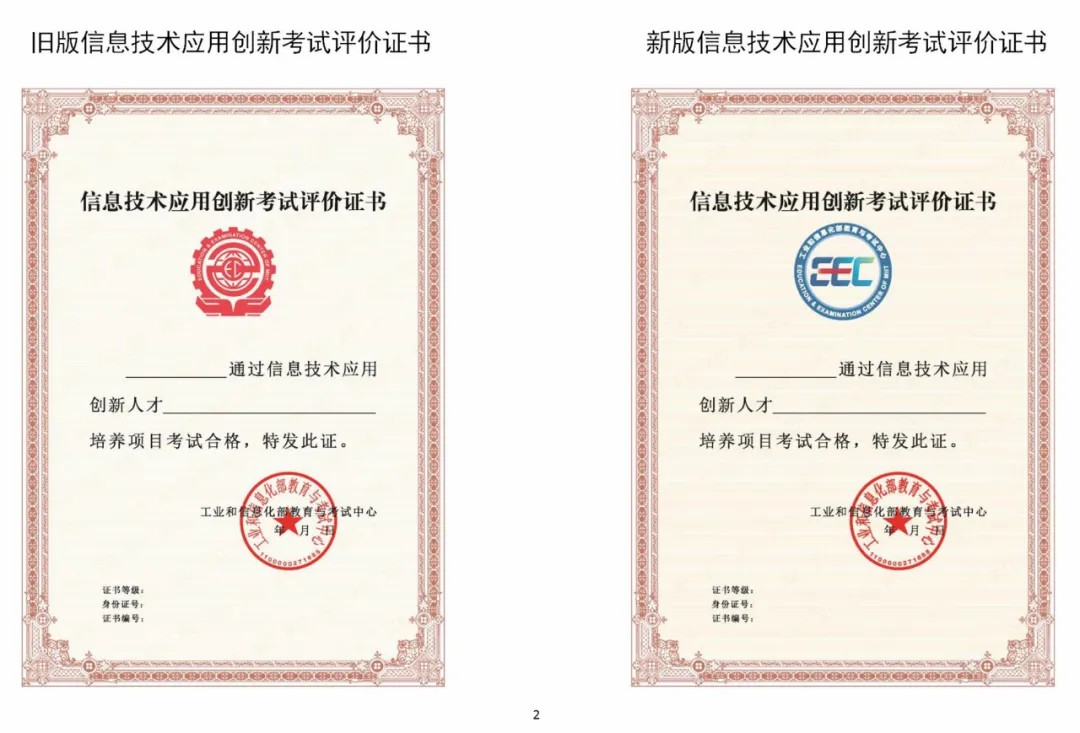
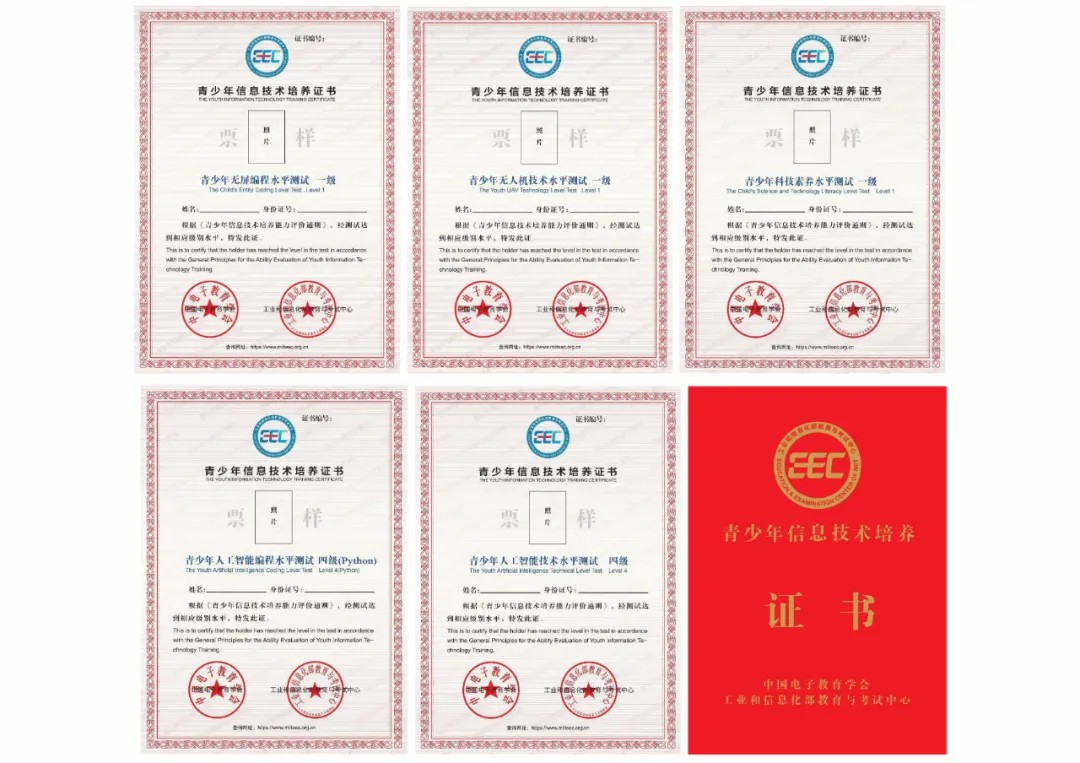
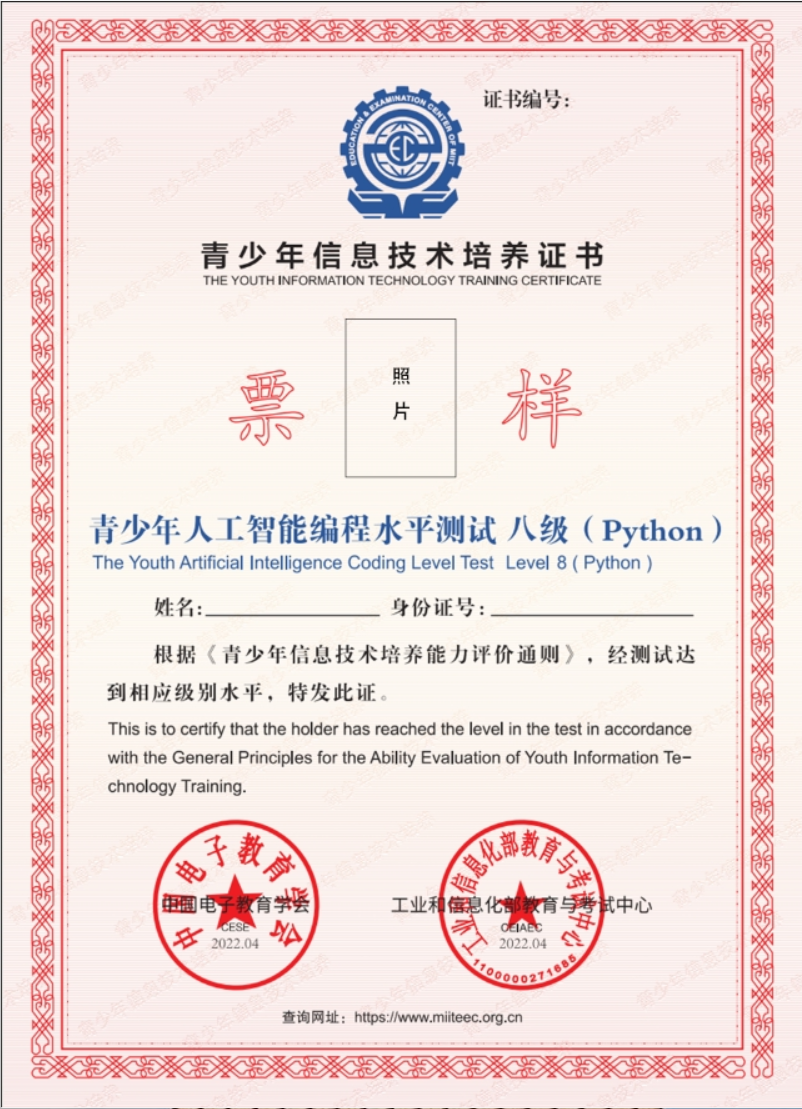
The test is grounded in the engineering and computational thinking programming requires, and assesses the candidate as a whole. Certificates are issued jointly by the MIIT Education and Examination Center and the China Electronics Education Society.